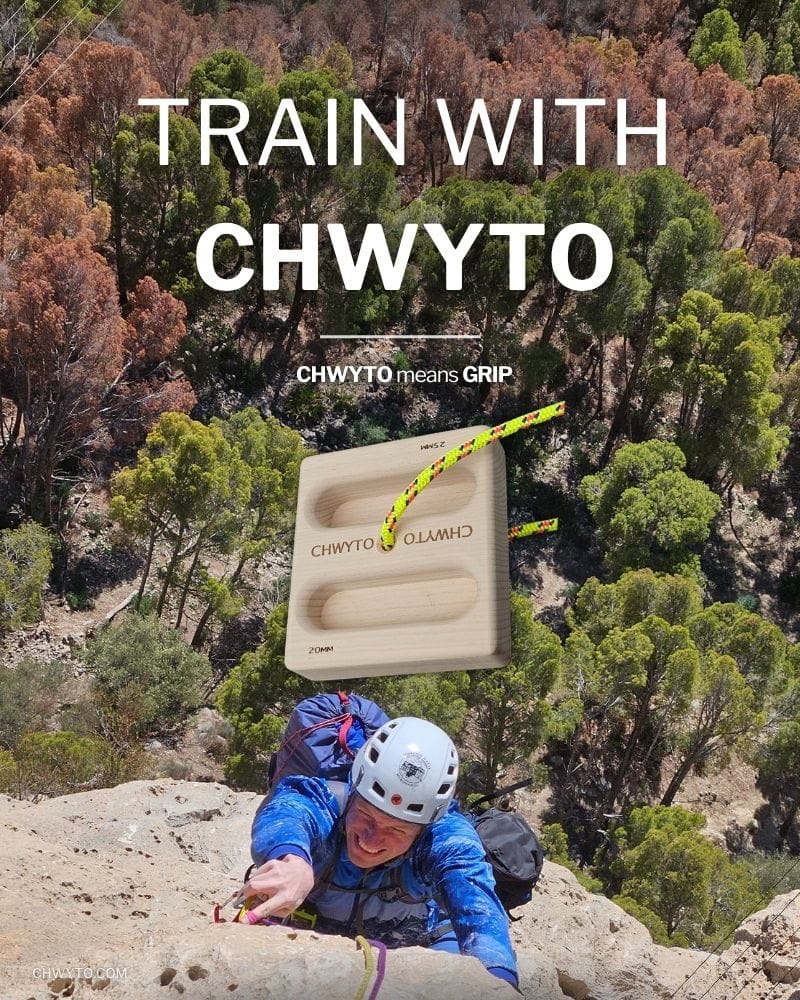
A gym for your fingers
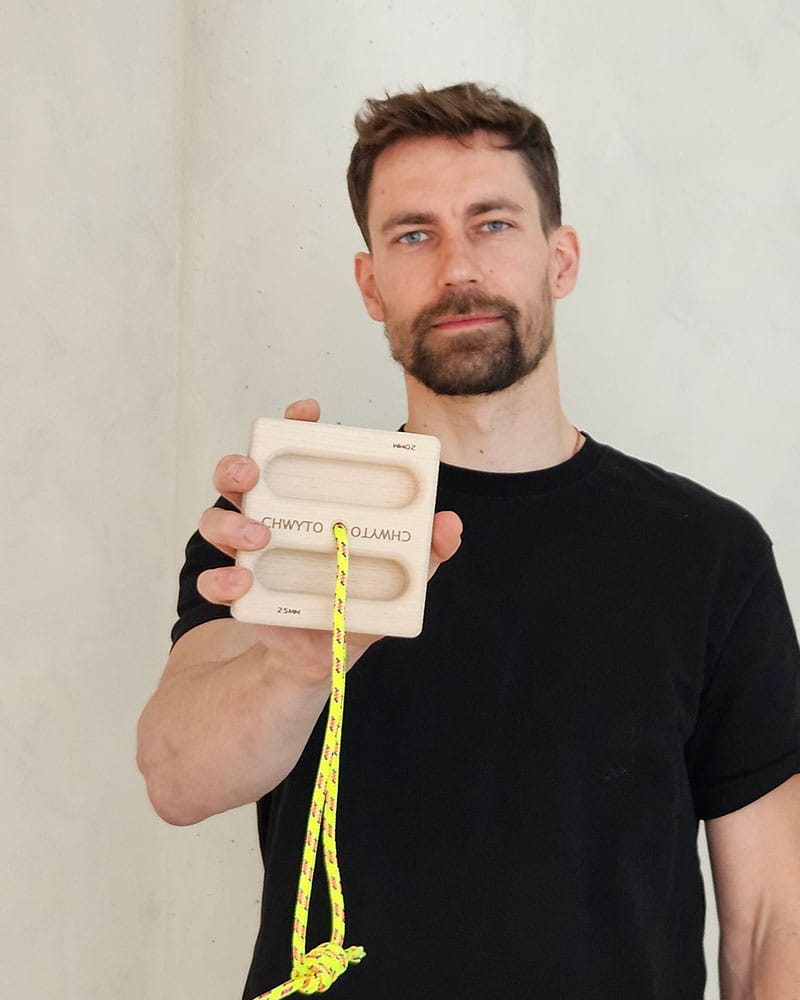
I’ve been climbing for many years — and anyone who follows my blog @najednejlinie knows exactly what I’m up to. That’s why I can wholeheartedly recommend this product and the entire training system behind it.
The inspiration for creating Hangboard Pocket came from the research of Dr. Keith Baar and the experiments of Emil Abrahamsson, which confirmed the effectiveness of controlled load-reduction training on a hangboard.
In these methods, participants support part of their body weight by standing on a scale or using pulley systems, allowing them to precisely adjust the load for their training. You can find the video on YouTube under the title “Hangboard twice a day”.
But in my opinion, there’s an even simpler way to train No Hang.
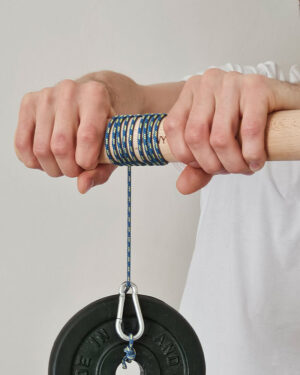
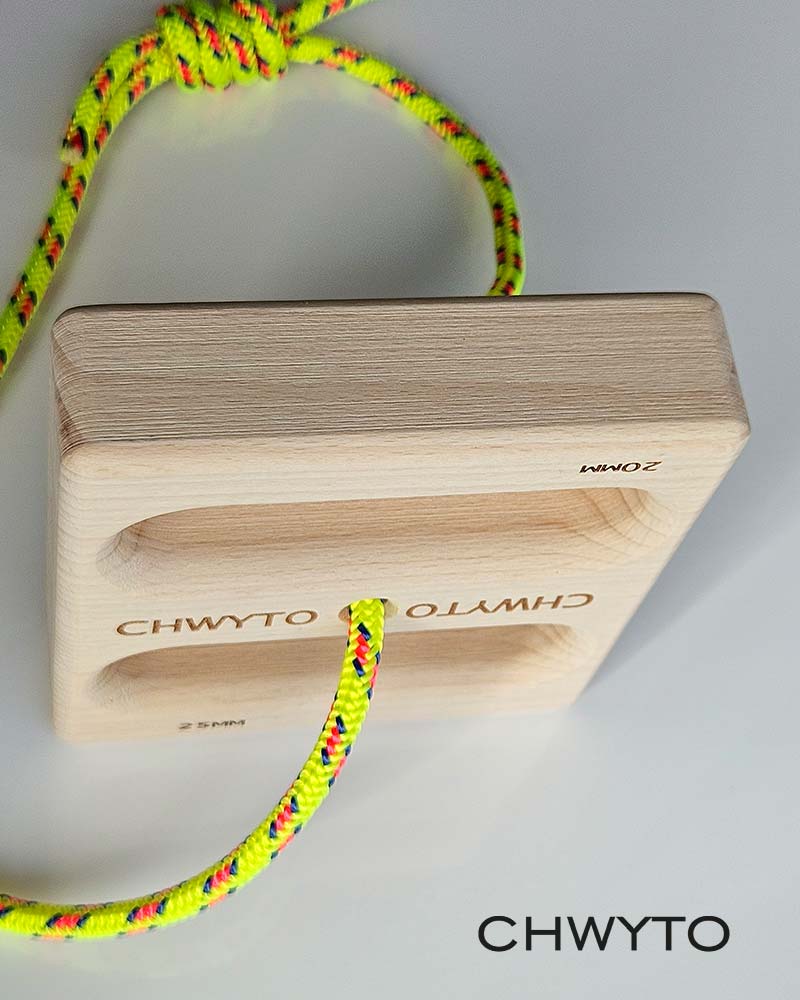
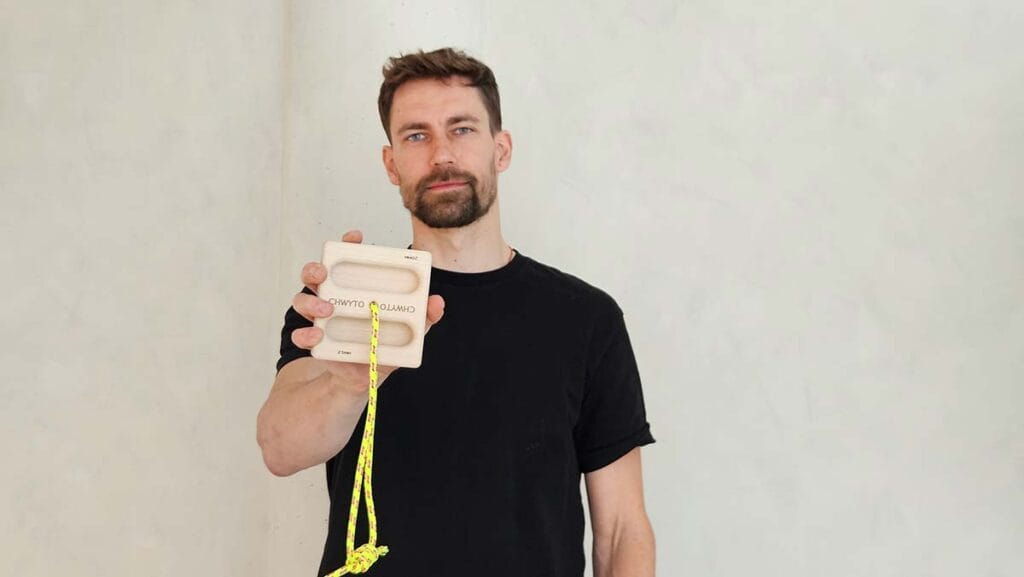
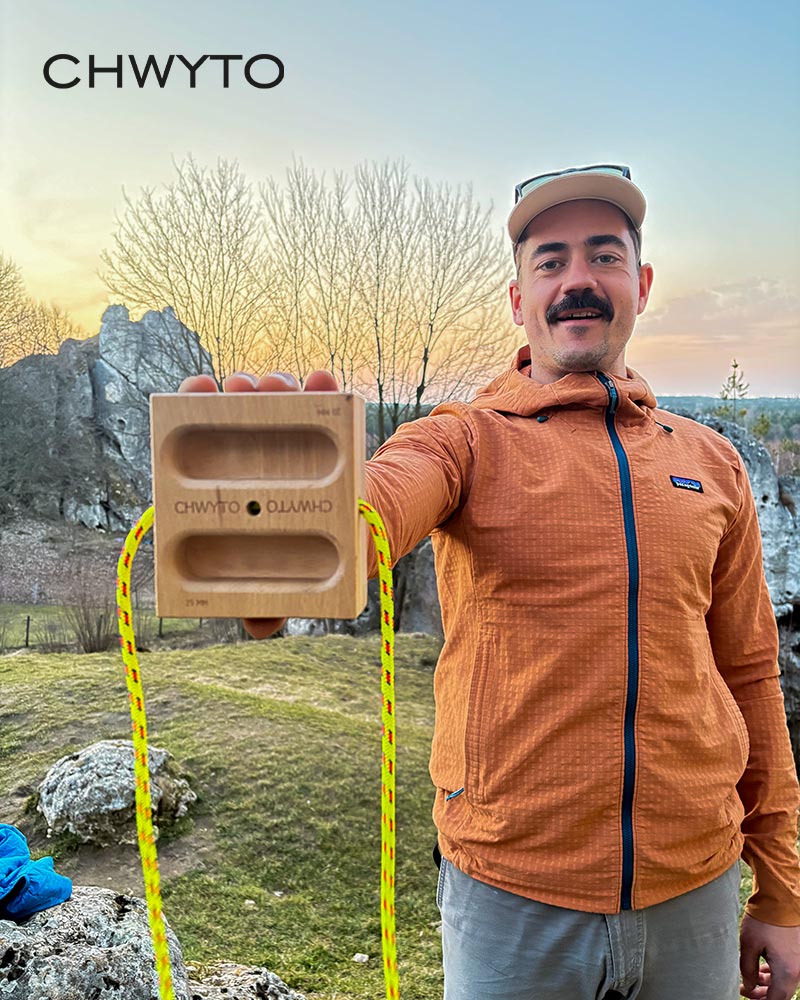
That’s why I designed Hangboard Pocket as an alternative to a standard hangboard — one that allows you to easily adjust the load and train anywhere you want.
How to train No-Hang?
Training is more of a marathon than a sprint — it requires consistency, not sudden bursts of effort. And that’s exactly why I like to compare it to making your bed in the morning.
It’s a small, simple ritual that helps you start the day on the right foot. The same goes for a short Hangboard Pocket session: it doesn’t have to be long or intense to matter.
What’s important is that you do something — because small steps taken every day beat big plans postponed for later,
This tool is designed for climbers who understand that real progress comes from smart, consistent training.
01
Adjust the load
Use around 60% of your maximum hang weight — the load you can comfortably hold. The goal of this session is to create a feeling of muscle activation, not fatigue.
02
Exercises
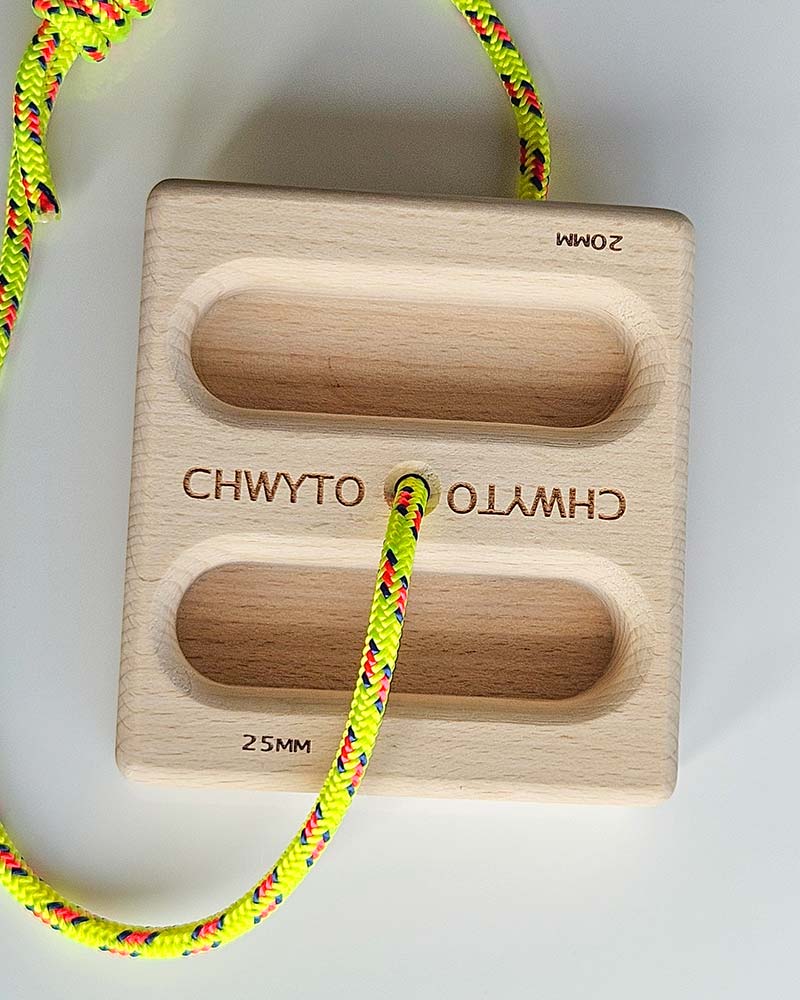
Warm up your fingers on a 25 mm edge. Then move to the main training session: 10 sets of 10-second holds.
Take 7 seconds of rest to switch hands and 53 seconds of rest between sets.
Use an open-hand or half-crimp grip on a 20 mm edge.
Set up your session using the Timer ate fgrav.com
03
Frequency
💡 You can do two sessions per day on rest days (for example, morning and evening), making sure to leave at least 6 hours between sessions.
Who is it for?
For climbers recovering from injury 🤕
On November 21, 2025, I suffered an A2 pulley injury — confirmed via ultrasound by a physiotherapist who’s also a long-time climber.
He explained that complete rest isn’t the solution, because a long break from loading leads to unfavorable remodeling of connective tissue: the fibers become thinner, less organized, and weaker, which increases the risk of the injury returning during future training sessions.
That’s why, after just one week, I was advised to return to very gentle, controlled finger loading.
And this is exactly where the CHWYTO Pocket gives a massive advantage: it lets you precisely adjust how much weight you’re actually lifting.
Six days after the injury, I started with just 5 – 7.5 kg — gradually and safely.
For beginners 🧗♂️
People often say that beginners shouldn’t use hangboards — and I completely agree. But that advice applies to classic boards where you hang with your full body weight.
Hangboard Pocket works differently.
You lift only a portion of your body weight off the ground, making the training far safer and more controlled. It’s the perfect way to build fundamental finger strength without overloading your tendons.
For warm-ups and for travel ✈️
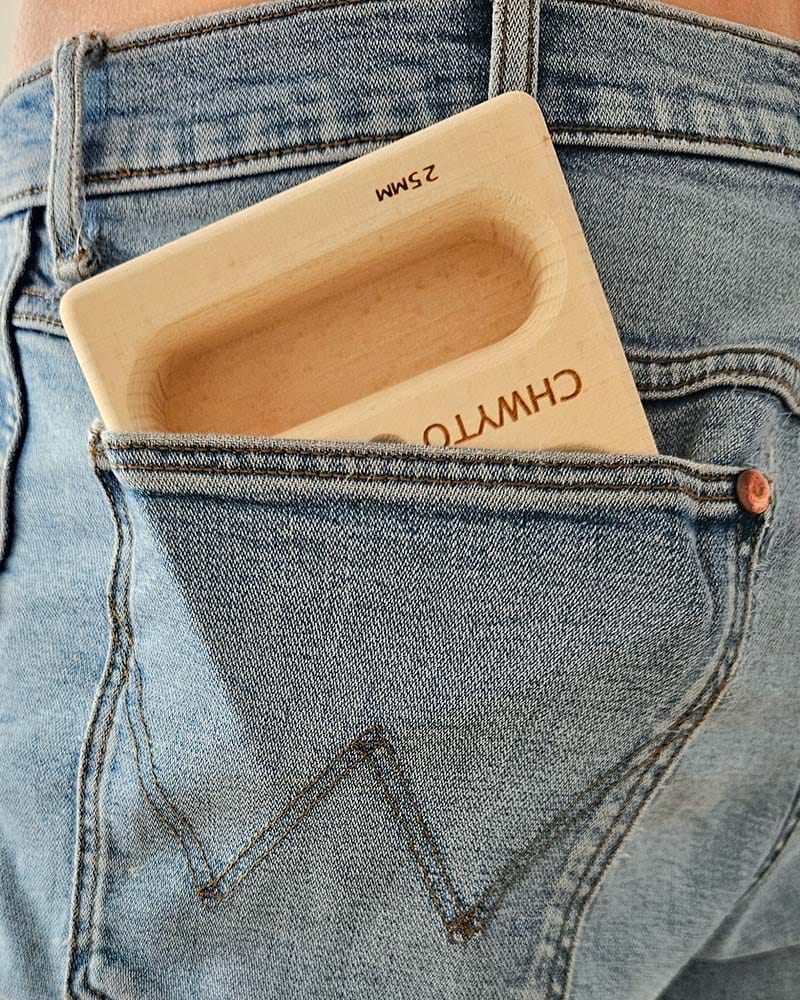
For people who travel a lot — wherever you are, you can always fit in a short session, even at the airport.
And for those who want to properly warm up their fingers before hitting the wall.
Train wherever you are
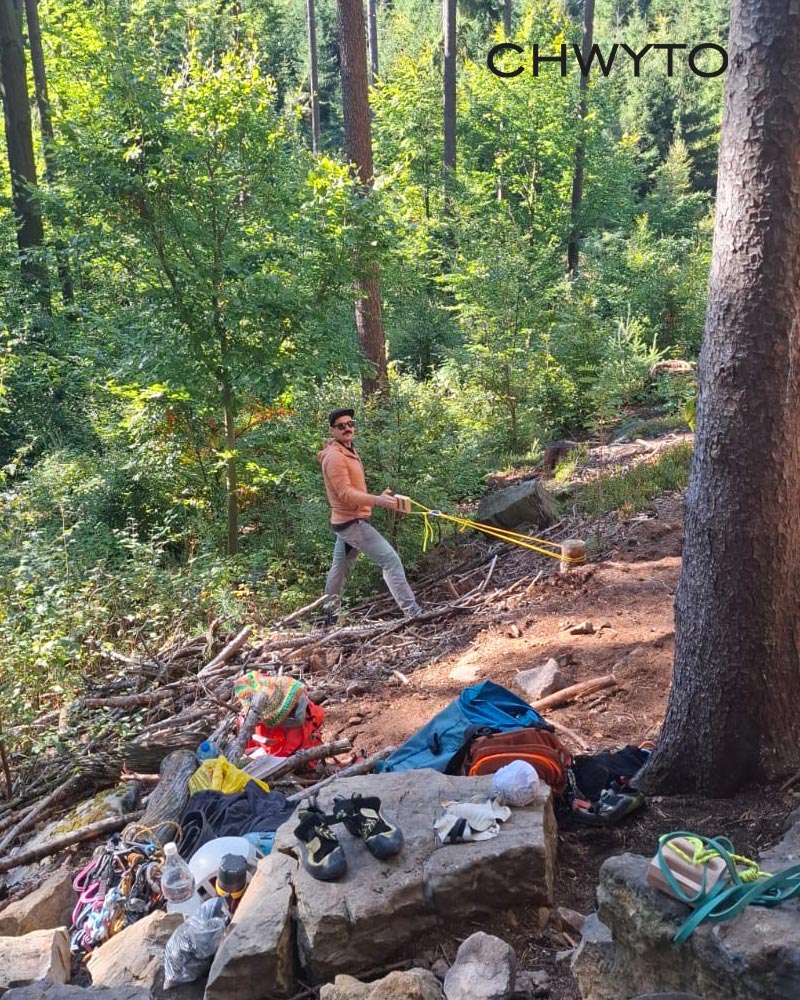
You don’t need to carry dumbbells or weight plates with you — a resistance band is enough. This way, you can keep your training consistent no matter where you are or what your situation is.
Hangboard Story
1.0
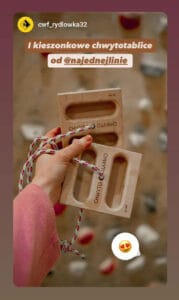
The first version was all about functionality and durability. You could describe it as bulky and raw in form — aesthetics were not the priority at that stage. The goal was simple: create a solid and reliable training tool.
2.0
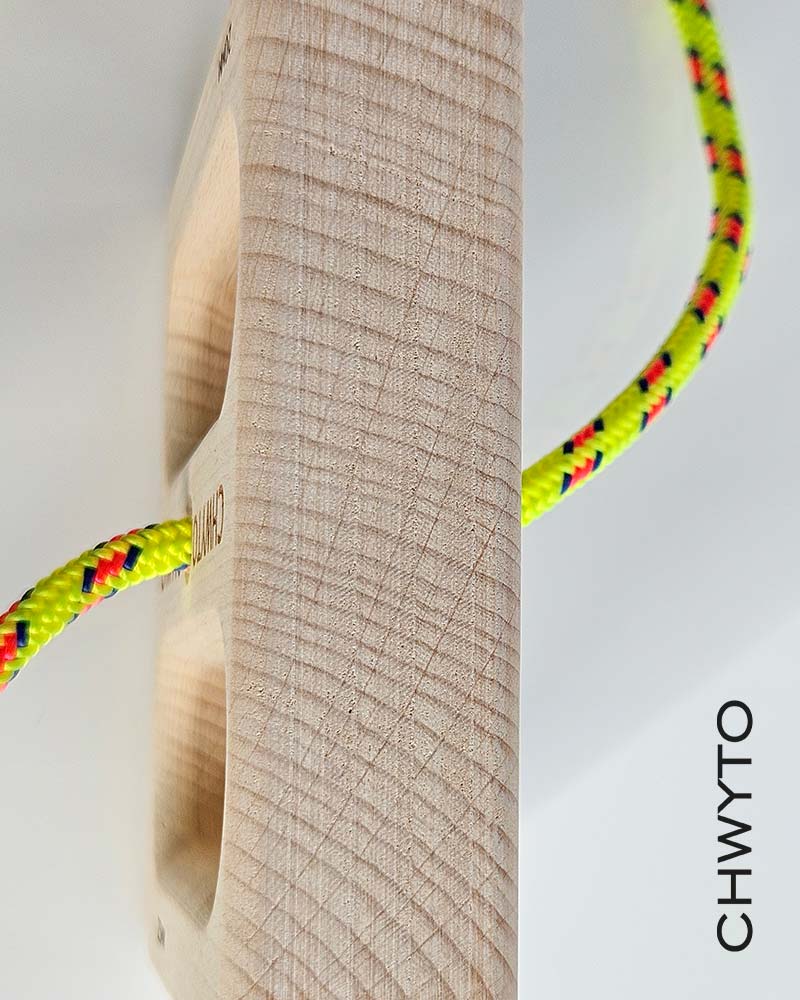
The second version was built directly on user feedback. The thickness was reduced to 3 cm, making the board significantly more portable — you can really feel the difference, especially when traveling.
This also allowed for a shorter cord loop, preventing weights from hitting the ground during training.
3.0
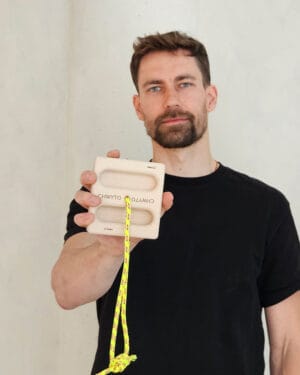
This is the most refined version of hangboard. Based on further feedback and experience, I decided to craft it from a single piece of wood and round all edges.
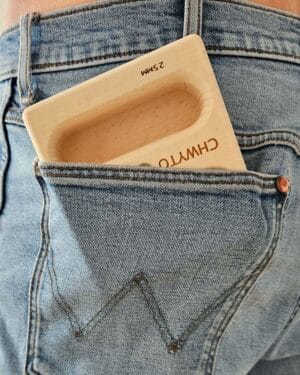
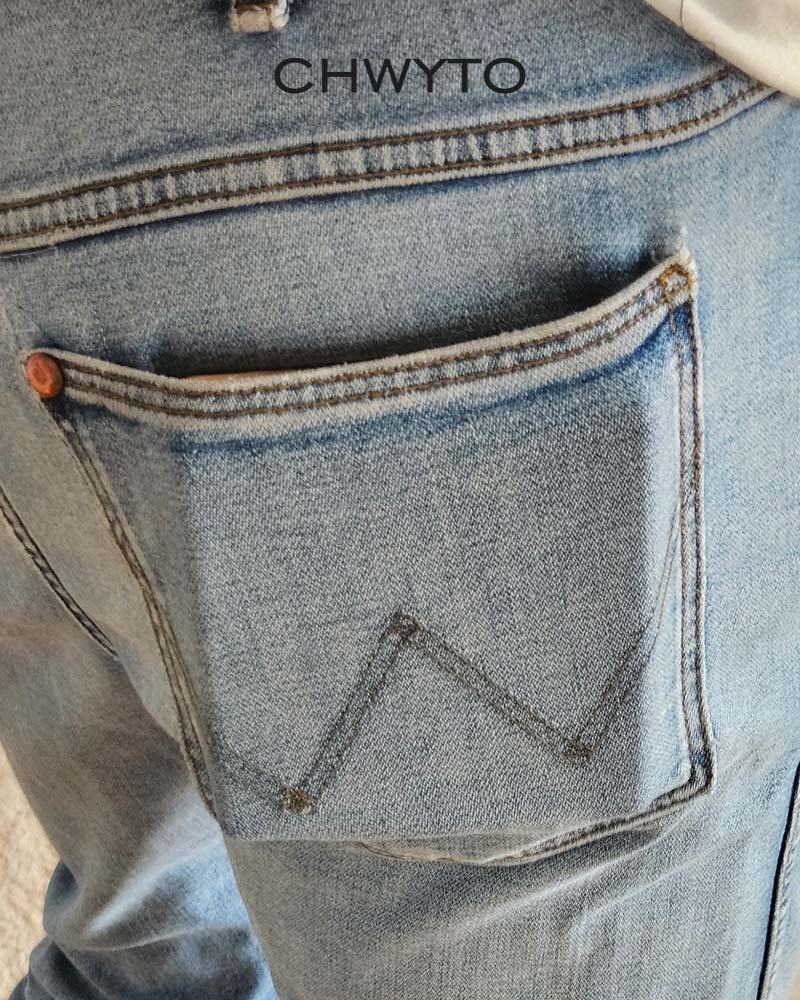
The result is even more compact, pocket-friendly design — perfect for climbers who value portable training gear.
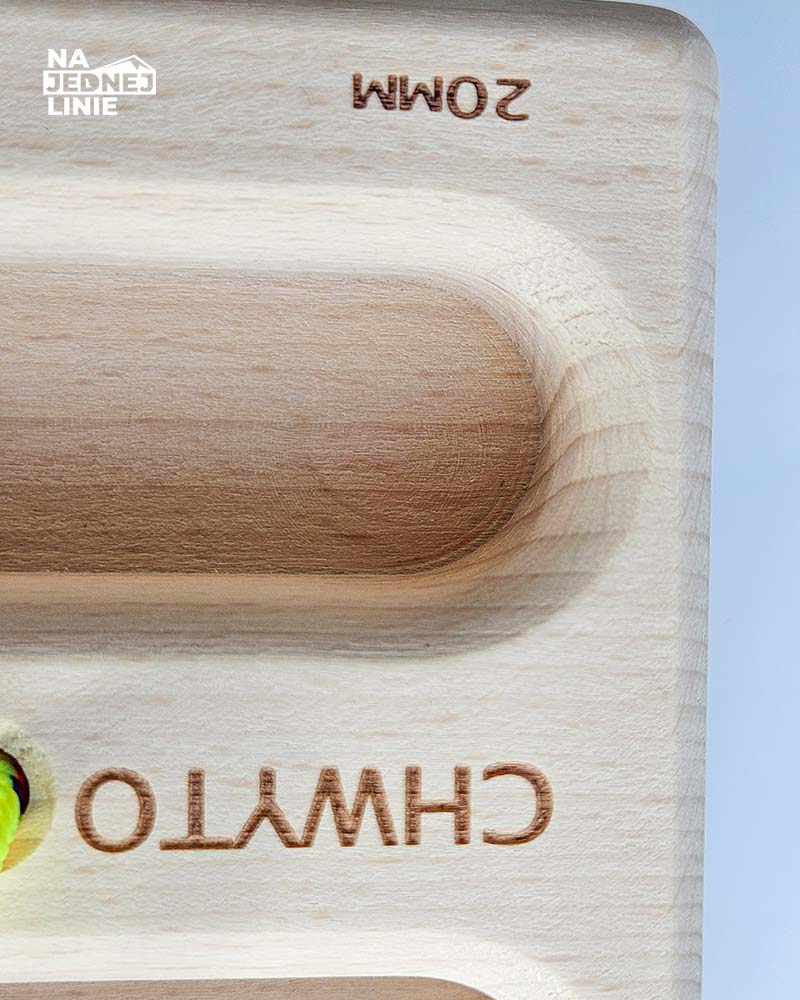
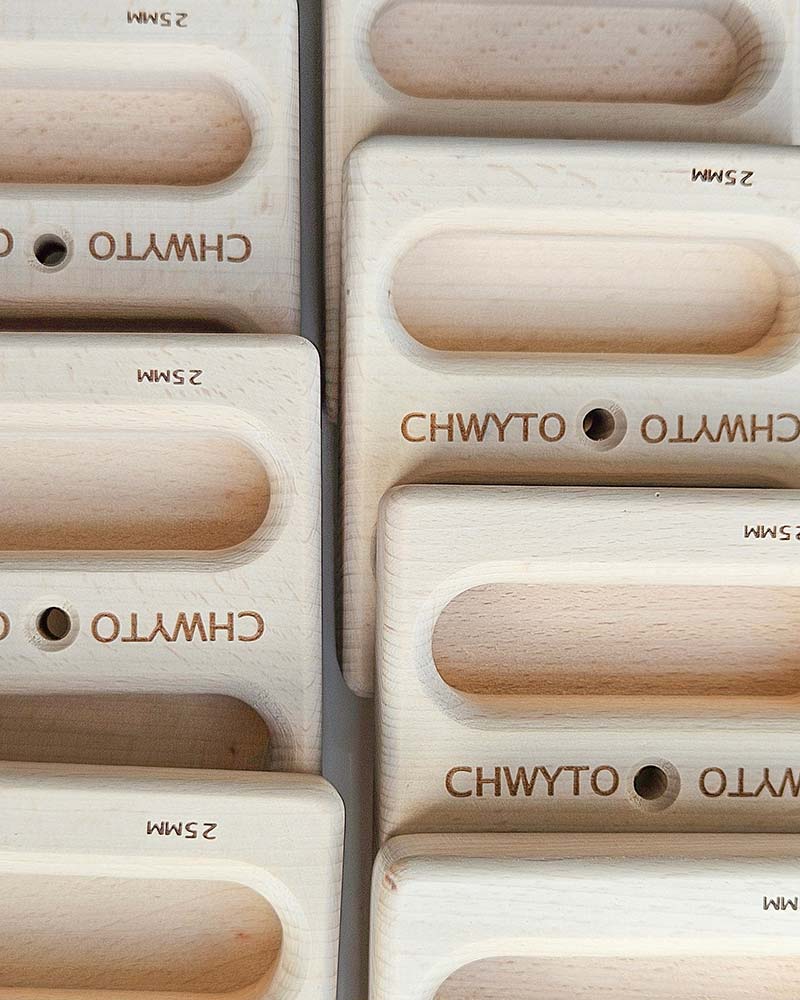
Importantly, the hold size has remained unchanged across all versions. From the beginning, it was a key element that worked exactly as intended and didn’t require any compromises.
I guarantee the holds will feel comfortable even if you have thicker fingers — they are sized to avoid excessive compression during training, which is a common issue in many competing boards that try to minimize overall size at the expense of usability.
Pro-level results. Amateur price
CHWYTO has been tested by many climbers — myself included — ensuring it meets the needs of those who climb regularly, both on rock and in the mountains.
Talking with fellow climbers, we’ve all come to the same conclusion:
for effective finger training, one 20 mm edge is all you need.
Really — nothing more.
And since the tool is designed to be as simple as possible, the price stays just as friendly.
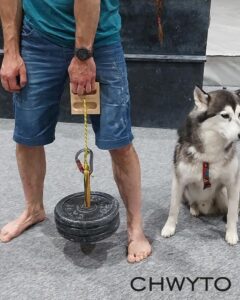
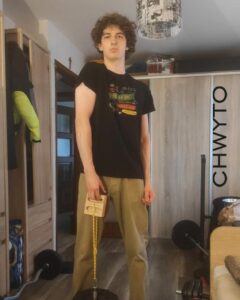
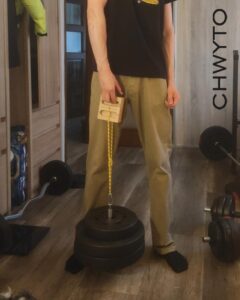

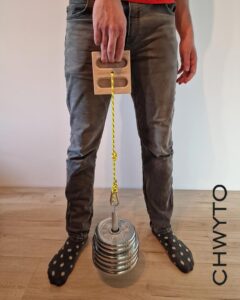


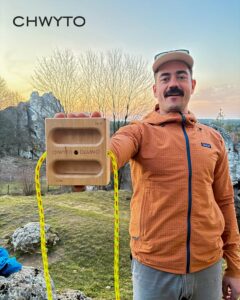
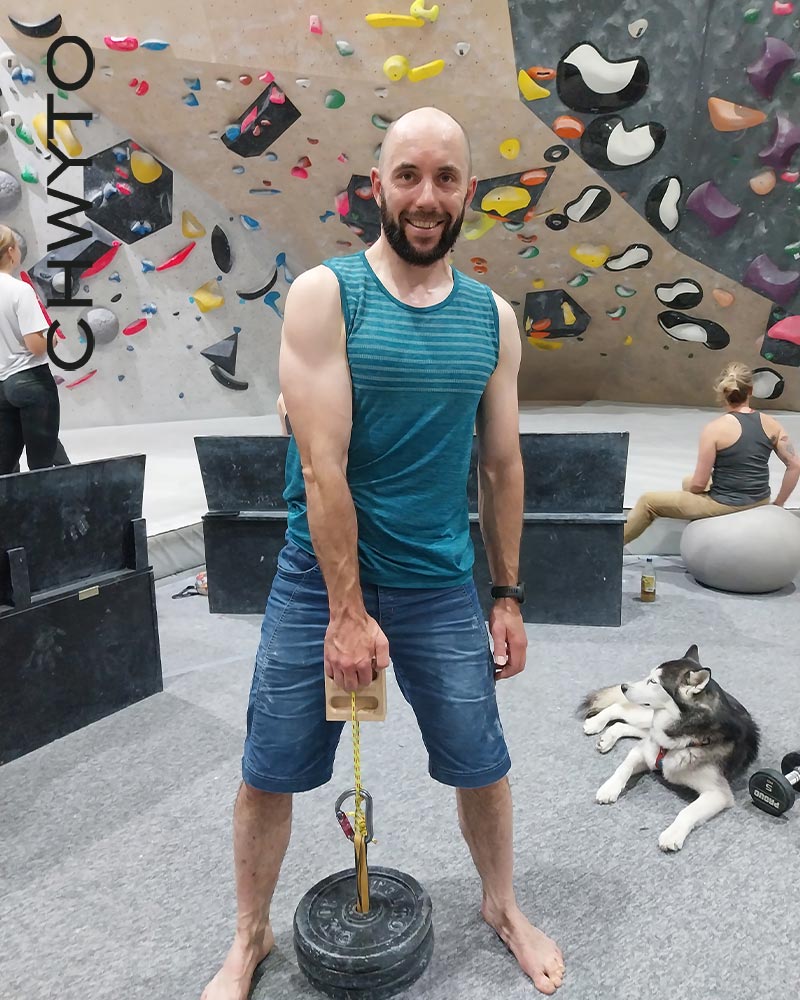
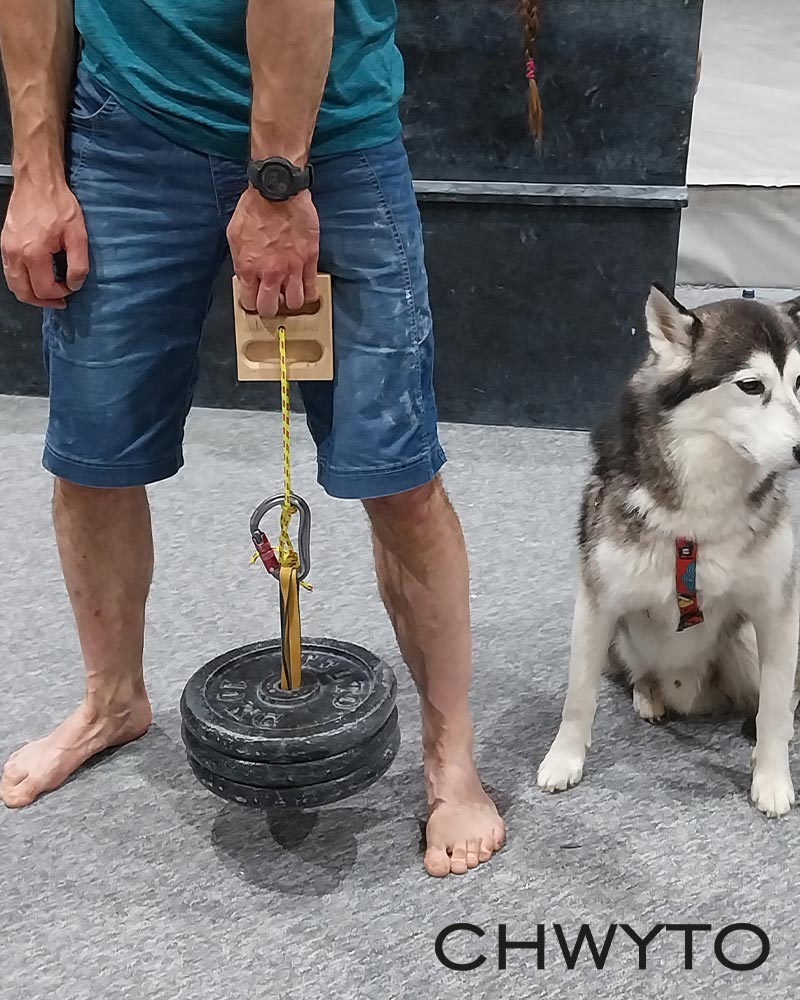
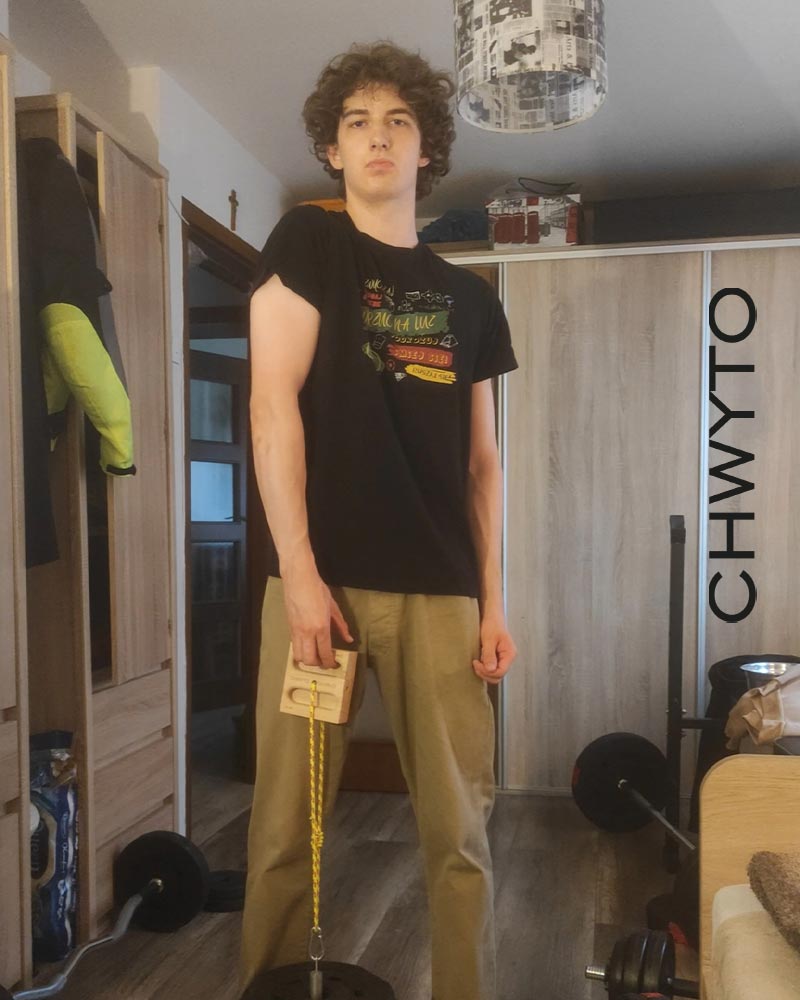
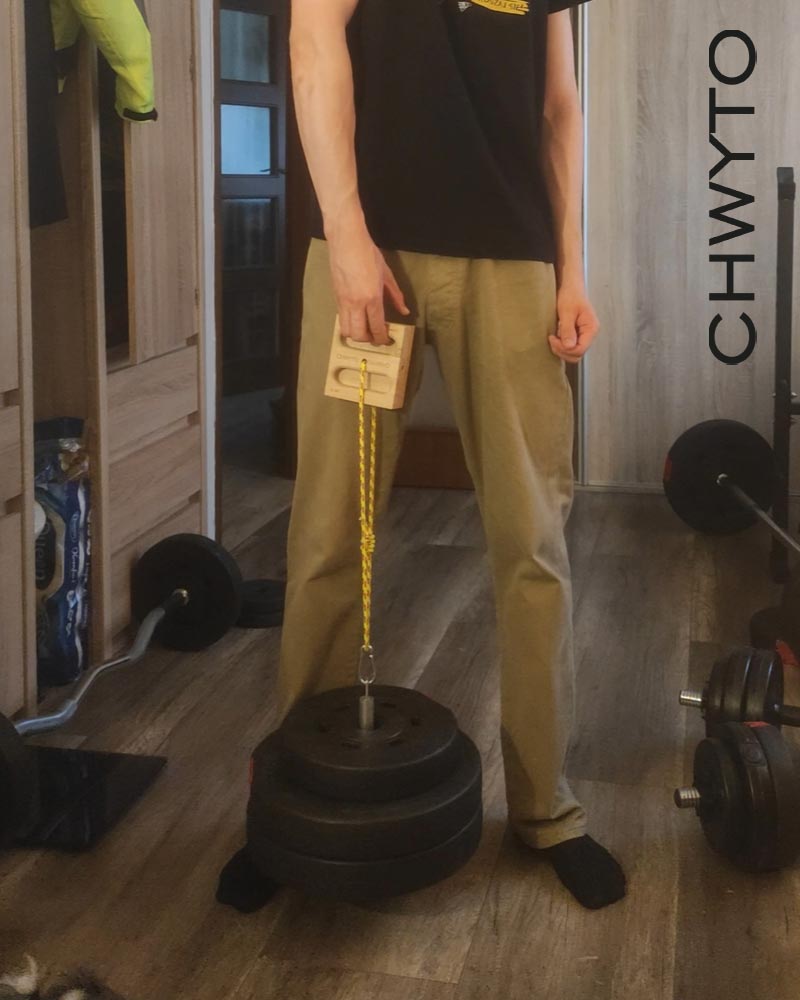
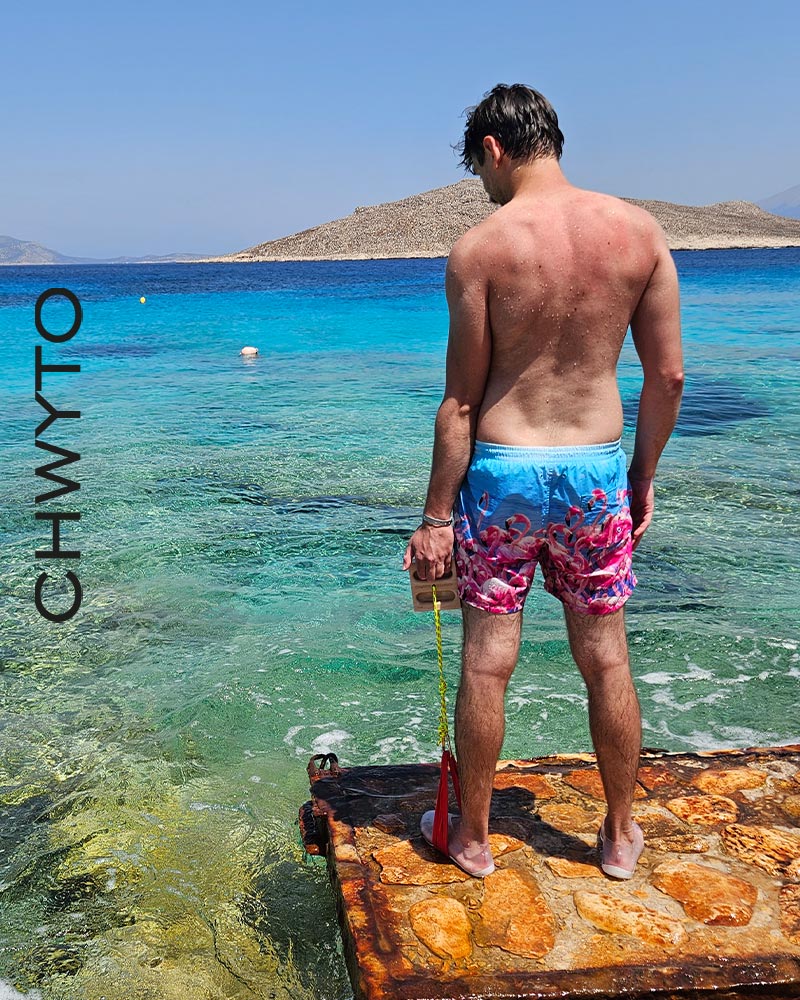
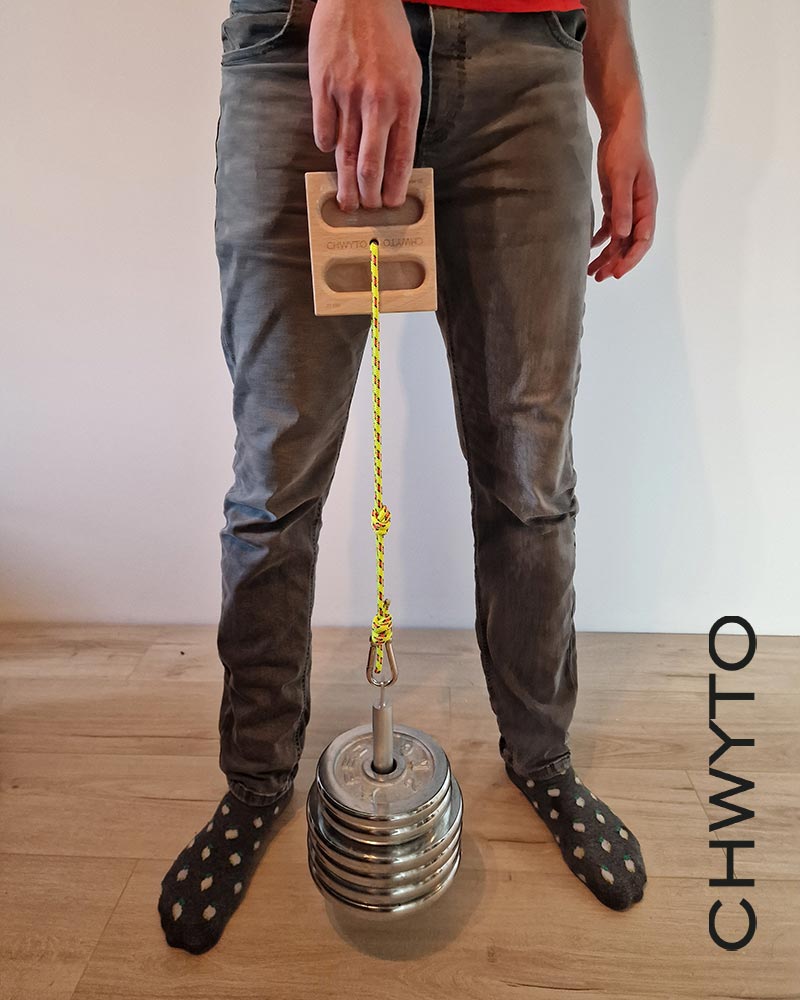

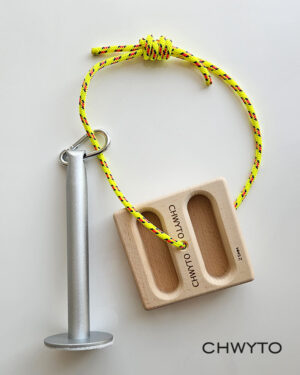
Weight Loading Pin — an essential part of your No-Hang training 💪
If you take your No-Hang hangboard training seriously, this loading pin is an accessory you simply can’t skip.
Forget about makeshift setups like water bottles or random weights — they’re uncomfortable, imprecise, and make consistent training nearly impossible.
Our CHWYTO Loading Pin gives you stability, safety, and full control over the load, so every session is accurate, effective, and repeatable.
Without a solid loading system, setting up weights takes too long — and that often means the training just… doesn’t happen.
With the CHWYTO Loading Pin, you get simplicity, comfort, and readiness to train in seconds..
Why buy the Hangboard Pocket
Easy grip adjustment
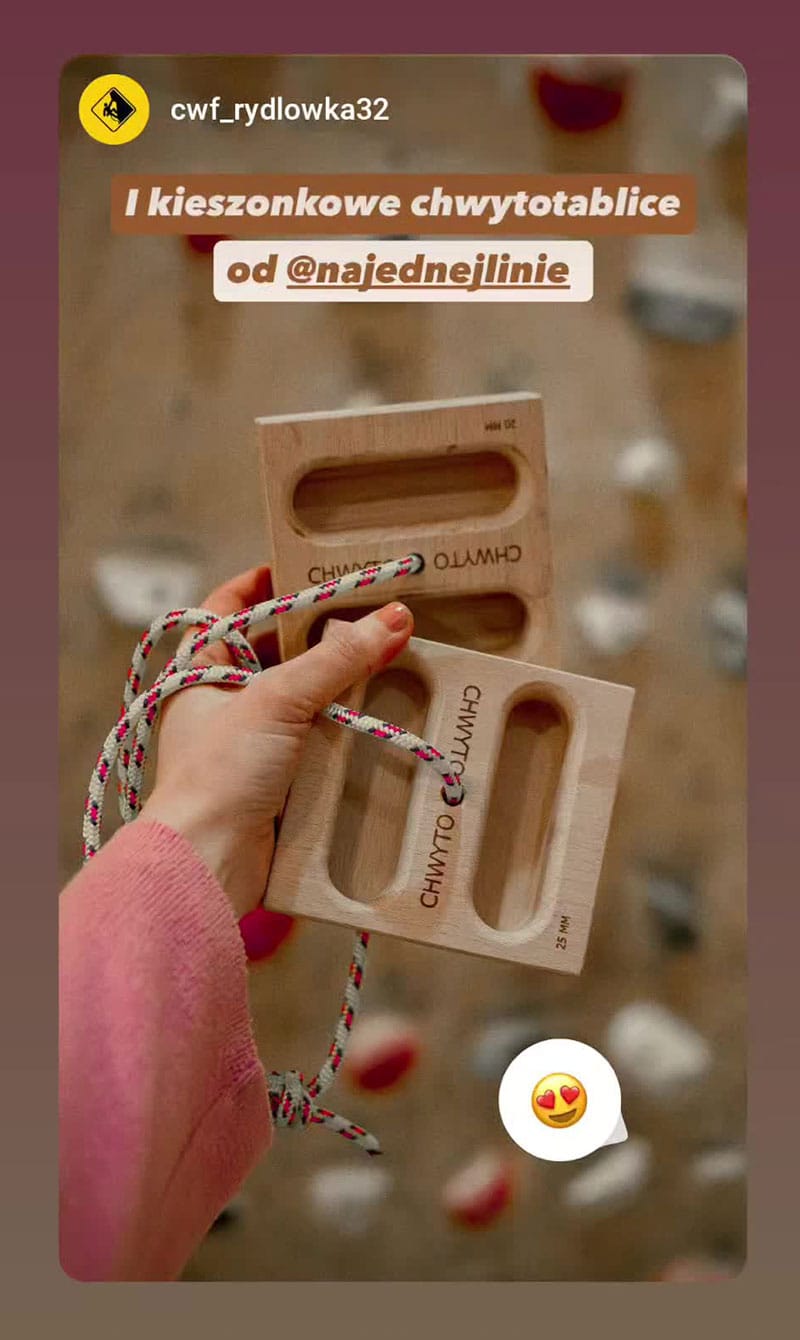
Smoothly transition between the 25 mm warm-up edge and the 20 mm training edge, allowing you to gradually increase training intensity.
Fits your fingers
The Pocket hangboard stands out with its aesthetics and refined ergonomics. The holds are designed to provide comfort even for climbers with thicker fingers—without the uncomfortable squeezing typical of smaller competing boards.
Honest quality for a fair price
Is it the best hangboard on the market? Probably not.
But is it worth the price? Absolutely.
I’ve spent years in the mountains wearing gear from big retailers — because it offered the best value for money.
That’s exactly how I think about my shop. No marketing fluff — just functional gear that works.
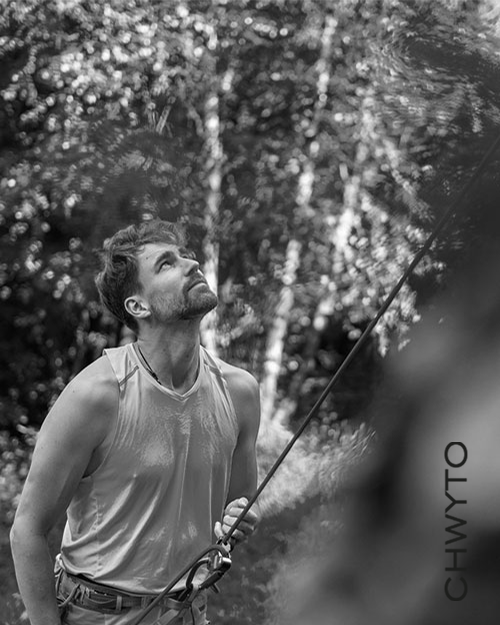
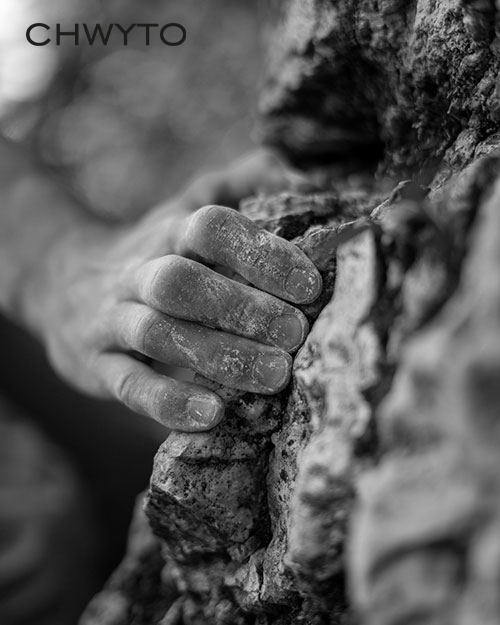
How simple finger training turned into real progress?
Since I started training with the CHWYTO hangboard, my finger strength has improved significantly.
I’m not the youngest anymore, and I began climbing quite late — so I have to approach training wisely.
I couldn’t break through the magical 6C barrier on steep routes which always felt out of reach.
I used to think I was just too heavy (which, to be fair, isn’t entirely wrong – physics doesn’t lie 😅).
But after months of consistent CHWYTO training, my parameters clearly improved — I’m now climbing 6C on-sight and on vertical routes my grade raised to 7A!
If I made it happen — you can too.
And guess what? I started from 6A!
Get in touch
I’d be happy to hear from you on Instagram — let’s chat about training or climbing in Poland! I’ve also climbed in El Chorro (Spain), Paklenica (Croatia), and Höllental (Germany).
📸 Let’s connect @najednejlinie
DISCOVER YOUR STRENGthS & WEAKNESSES